
Projects
Children's Education
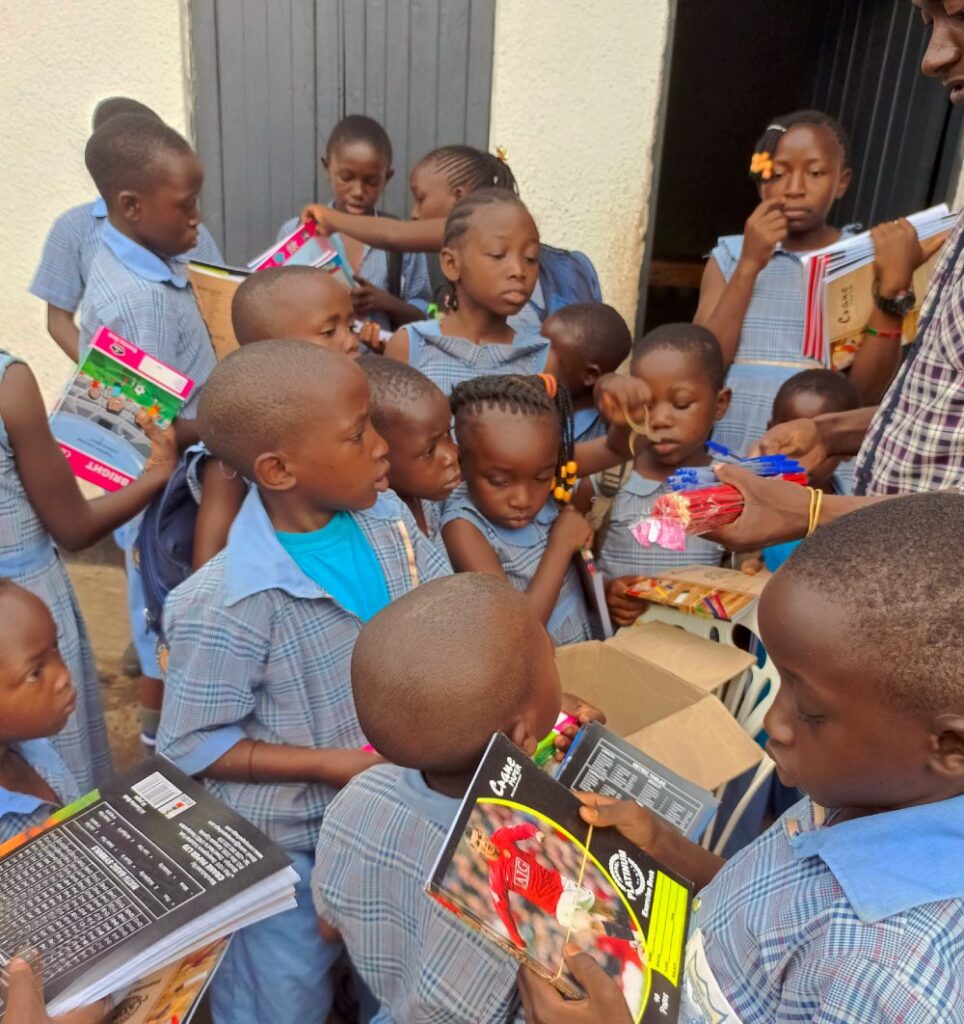
There are a large number of AIDS orphans in Uganda. These children are particularly vulnerable to chronic poverty, which limits their chances of going to school, and accessing health care, they are marginalized by their lack of a guardian.
Growth and Development/ Food Distribution
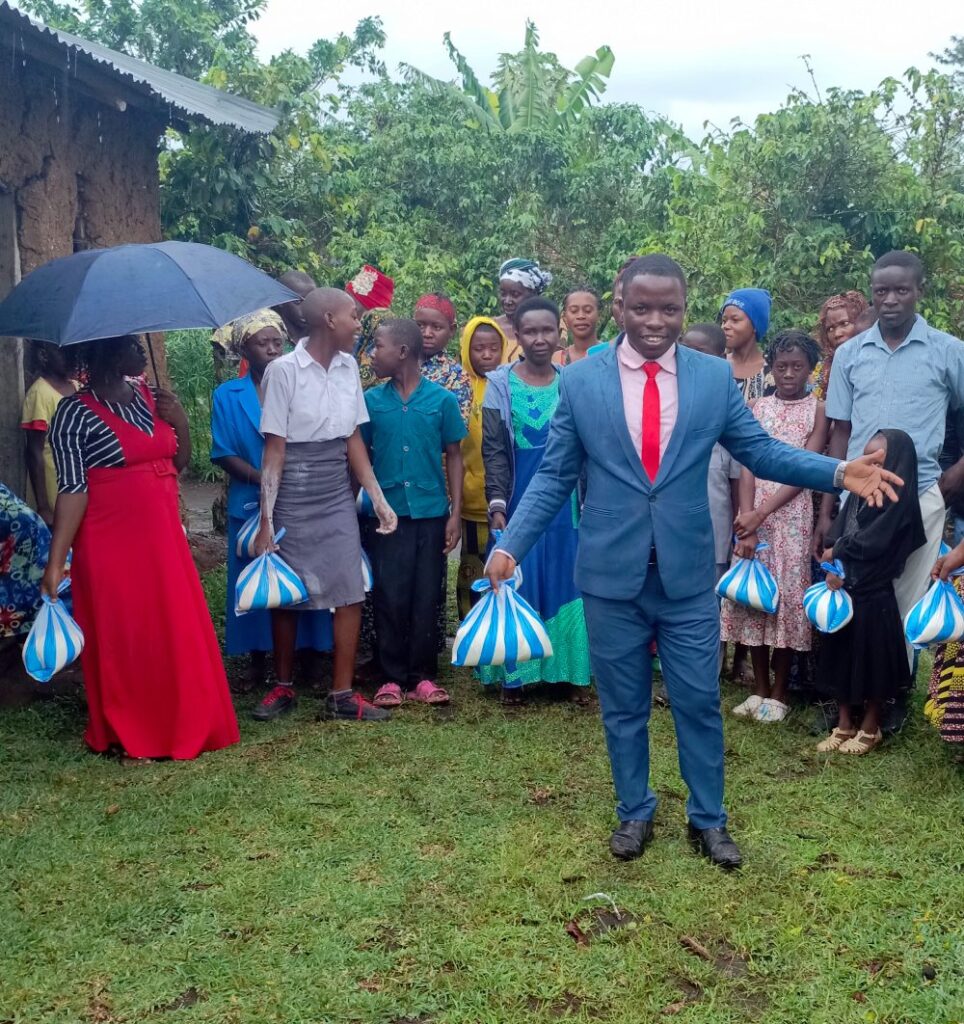
In our Food Distribution project, we recognize that the growth and development of children under five years old are significantly influenced by environmental factors, especially diet, rather than genetic or ethnic origins. Research highlights that children from urban areas have a lower risk of being underweight compared to those from rural areas. Moreover, children from households with low or very low socioeconomic status face two and a half times the risk of being underweight compared to children from middle to upper socioeconomic status households. Through our project, we aim to address these disparities by providing nutritious food to families in need, ensuring that every child has the opportunity to thrive regardless of their background.
Safe Water
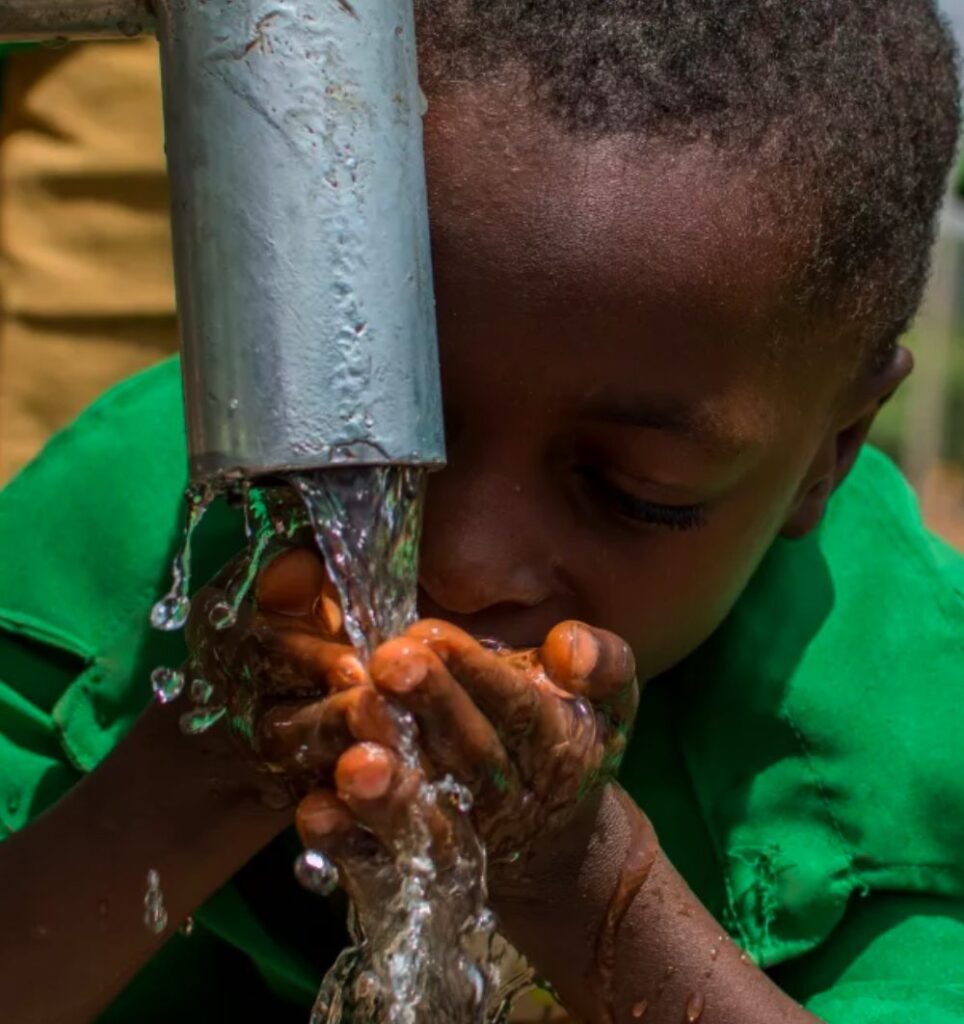
Access to safe water is a pressing issue in Uganda, with the consumption of unsafe water being a leading cause of death and disease nationwide. Shockingly, approximately 4,500 children lose their lives annually due to the lack of alternatives to unsafe drinking water. Rural communities bear the brunt of this crisis, with only 65% having access to safe water compared to 77% in urban areas.
Water-borne illnesses such as diarrhea, dysentery, typhoid, and cholera plague these communities, resulting in preventable suffering and loss. However, the provision of safe, clean water, along with adequate sanitation and hygiene practices, holds the key to significantly reducing the incidence of these diseases. By addressing this fundamental need, we can make strides towards improving the health and well-being of individuals and communities across Uganda.